

Dynamic pricing strategies have matured to next level over the last few years, thanks to real-time data and analytics.
I use Uber everyday, so I have seen over a long duration how they exploit dynamic pricing. Few of my observations were confirmed while reading multiple articles.
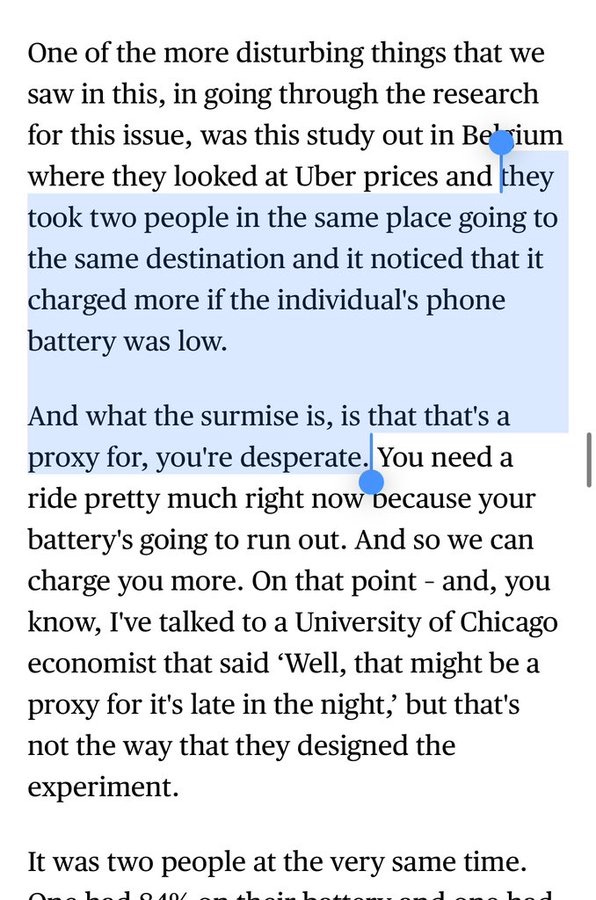
I read recently an article that mentioned that Uber shows differential pricing depending on the amount of mobile battery remaining. If battery was low, it would imply urgency to book an Uber quickly and hence higher price! This is fascinating! I have personally experienced this.
Another example I often experience is that of using “Decoy effect” – a pricing strategy that businesses use to get us to switch from one option to a more expensive or profitable one for them.
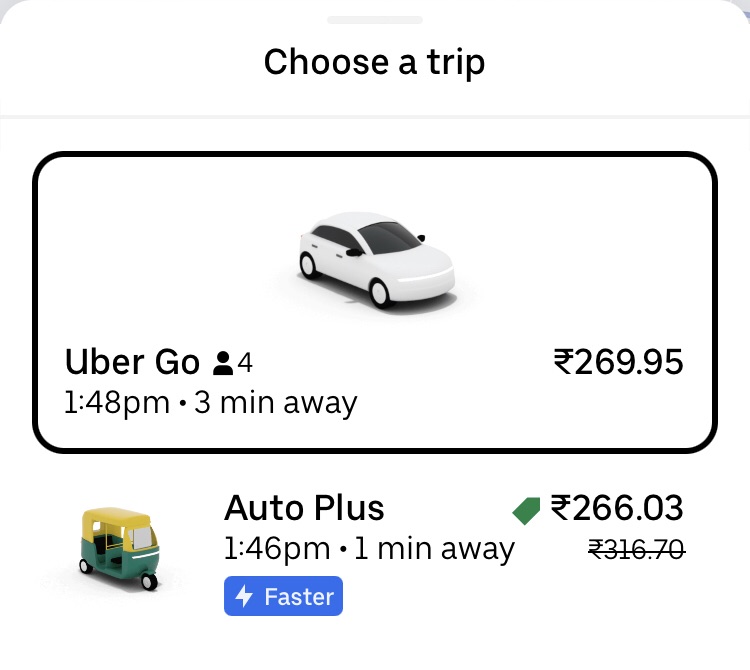
Uber shows on same screen the prices of Auto, Cab, higher-end cab. Suppose you want to take an auto rickshaw from a place. When they have less auto drivers available to cater to you in that region, they would increase auto prices (this is normal dynamic pricing based on demand and supply); at the same time, if sufficient cabs are available, the prices of auto and cab would be so close that you would be tempted to upgrade to cab (decoy effect).
In rare cases I have seen auto prices to be higher than cab for the same journey!


I’m sure many other platform based businesses would be using such dynamic pricing strategies. Would like to understand more about Dynamic Pricing strategies. Any book, podcast, article recommendation for this topic?


 ekoshapu
Leave a comment